English version below/Angielska wersja niżej !
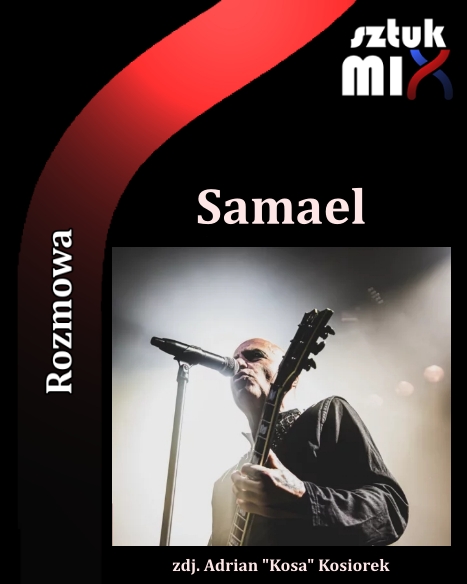
W świecie muzyki metalowej są zespoły, które nie tylko kształtują brzmienie gatunku, ale także przekraczają granice konwencji eksplorując nowe pomysły. Samael od dawna stoi na czele tej rewolucji, nieustannie wytyczając ścieżki innowacji i artystycznego wyrazu. Miałam ogromną przyjemność porozmawiać z Michaelem "Vorphem" Locherem, frontmanem zespołu Samael, tuż po koncertach w Polsce i przed ich podróżą do Japonii, o ich przeszłości, teraźniejszości, refleksjach na temat ewolucji sceny metalowej i przyszłych planach.
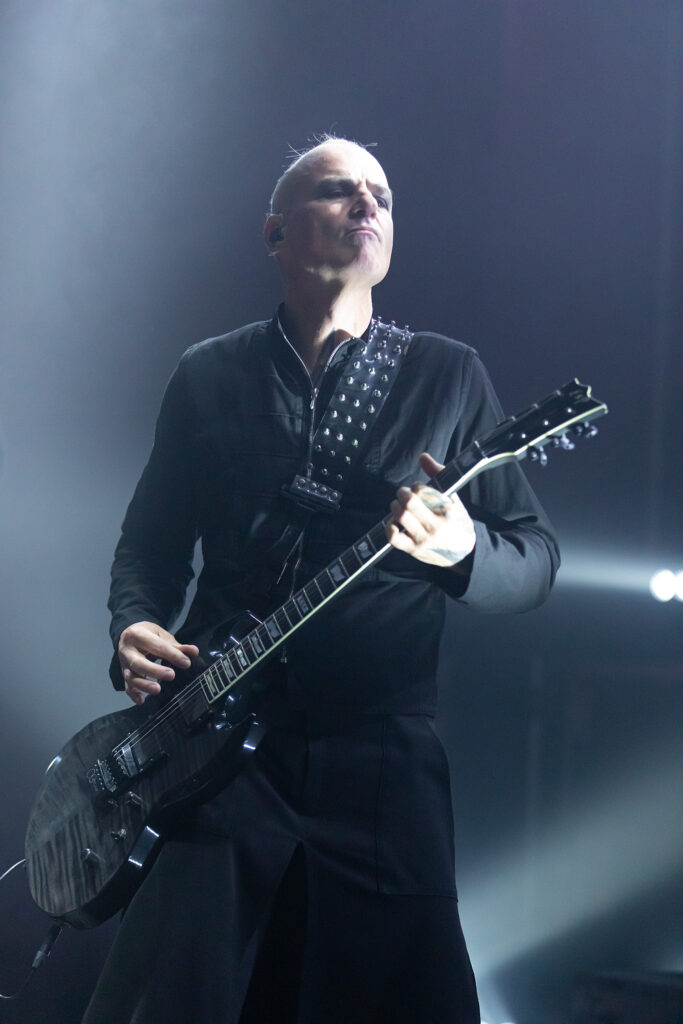
Ula Skowrońska Malinowska: Wasz najnowszy album to „Passage live”. Dlaczego wydaliście właśnie ten album w wersji koncertowej a nie inny? Michael "Vorph” Locher: Ha! Oczywiście mogliśmy zrobić live jakikolwiek inny nasz album. Ale myślę, że to właśnie „Passage” był bardzo ważny i chcieliśmy zrobić coś specjalnego na jego 25-lecie, które przypadało w 2021 roku. Jak wiesz, w międzyczasie wydarzył się Covid, więc musieliśmy przenieść wszystko na kolejny rok. Wiedzieliśmy jednak, że i tak to zrobimy. Pomyśleliśmy "OK, może nie tylko zrobimy trasę, ale nagramy każdy koncert, a następnie wybierzemy najlepsze piosenki z każdego koncertu i zrobimy z tego album na żywo". Taki był pomysł, ale kiedy trasa się skończyła, mieliśmy tak wiele rzeczy do zrobienia, tak wiele piosenek do przesłuchania, że zdecydowaliśmy, iż skupimy się tylko na jednym koncercie. To było o wiele łatwiejsze. Robiliśmy tę samą setlistę przez 18 koncertów, więc mieliśmy czas na ćwiczenia i pomyśleliśmy "no dobra, zróbmy to!". Zrobiliśmy trochę edycji, gdy tu i ówdzie pojawił się problem, ale w zasadzie ponad 95% tego, co słyszysz na albumie, to dokładnie to, co zostało zagrane tej nocy (materiał został zarejestrowany podczas koncertu 16 października 2021 r. w Krakowie, podczas trasy „Passage 25th Anniversary Tour” – przyp. red. ) USM: Graliście "Passage" na żywo bardzo często. Jak bardzo różni się wykonywanie "Passage" na żywo teraz od tego co graliście 28 lat temu? V: (śmiech) 28, masz rację! Prawdopodobnie teraz czuję się bardziej komfortowo z tymi piosenkami. Obecnie są one częścią naszego DNA. To znaczy, to nie jest tylko odtwarzanie czegoś, to naprawdę jest jak przeżywanie tego raz za razem. Z większością piosenek łączy nas pewna zażyłość. Było kilka utworów, których nie wykonywaliśmy nigdy na trasie. Jedynym utworem, którego nigdy wcześniej nie graliśmy był "Born Under Saturn". Nie graliśmy go w 1996 roku, a pierwszy raz zagraliśmy go dopiero w 2013 r. Cały album "Passage" zagraliśmy w tamtych czasach dwa razy. „Born Under Saturn” bardzo mi się podoba, ale tak naprawdę nie jest to utwór, przy którym ludzie przychodzą i tańczą lub robią „head banging”. Ma wiele części, jest trochę skomplikowana, ale podoba mi się. Nie wiem, czy odpowiedziałem na twoje pytanie, ale tak wygląda różnica w stosunku do tamtych czasów.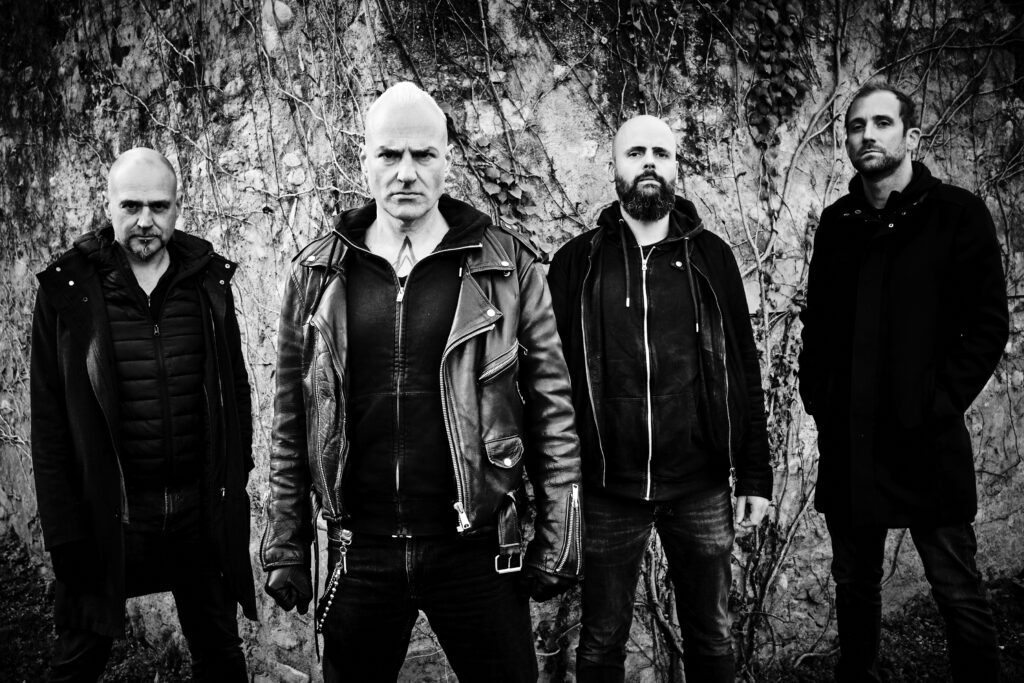
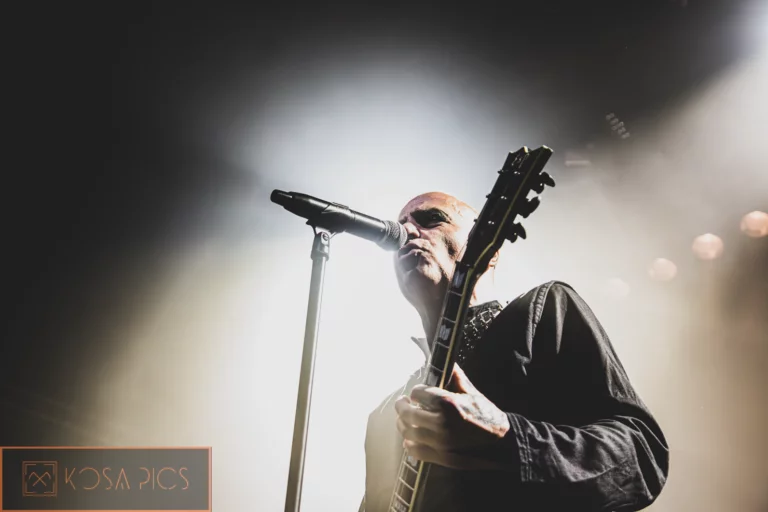
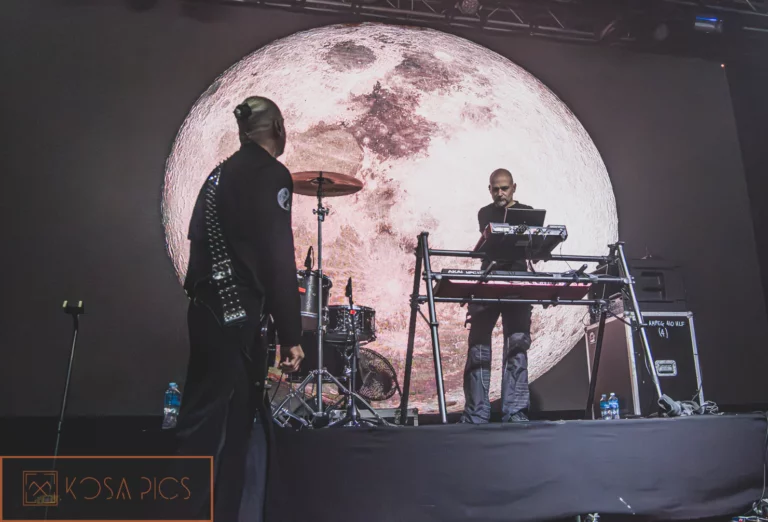
Rozmawiała Ula Skowrońska-Malinowska
English version
In the world of metal music, there are bands that not only shape the genre's sound but also push the boundaries of convention by exploring new ideas. Samael has long been at the forefront of this revolution, continuously forging paths of innovation and artistic expression. I had massive pleasure of speaking with Michael "Vorph" Locher, the frontman of Samael, shortly after their concerts in Poland and before their trip to Japan, about their past, present, reflections on the evolution of the metal scene, and future plans.
Ula Skowrońska Malinowska: Your latest album is "Passage live". Why did you release this particular album in a live version instead of another one?
Michael "Vorph” Locher: Ha! Of course, we could've done a live version of any of our albums. But I think "Passage" was particularly significant, and we wanted to do something special for its 25th anniversary, which happened in 2021. As you know, Covid happened in the meantime, so we had to postpone everything to the next year. However, we knew we would still do it. We thought, "Okay, maybe not only will we go on tour, but we'll record every concert, then pick the best songs from each and make a live album out of it." That was the idea, but when the tour ended, we had so much to do, so many songs to go through, that we decided to focus on just one concert. It was much easier that way. We had the same setlist for 18 concerts, so we had time to practice, and we thought, "Okay, let's do this!" We did some editing here and there when there were issues, but basically, over 95% of what you hear on the album is exactly what was played that night (the material was recorded during the concert on October 16, 2021, in Krakow, during the "Passage 25th Anniversary Tour" – ed. note)USM: You've played "Passage" live quite often. How different is performing "Passage" live now from what you played 28 years ago?
V: (laughter) 28, you're right! Probably now I feel more comfortable with those songs. They're part of our DNA now. I mean, it's not just reproducing something; it really is like reliving it over and over again. There's a certain intimacy with most of the songs. There were a few songs we never played on tour. The only song we never played before was "Born Under Saturn". We didn't play it in 1996, and we first played it in 2013. We played the entire "Passage" album back in those days only twice. "Born Under Saturn" I really like, but it's not really a song where people come and dance or do headbanging. It has many parts, it's a bit complicated, but I like it. I don't know if I answered your question, but that's the difference compared to those times.
USM: Speaking of your music, "Passage" is one of the most important albums. It was the record that opened many doors for you, brought immense recognition. But if one were to listen to your first and last albums, I imagine many people who, let's say, aren't familiar with your music, would say that these albums weren't performed by the same band. Which album was the biggest "leap" for you and your career?
V: Are you referring to the most significant album?
USM: The biggest leap in style and the most important album in your career?
V: It's always tough because as a musician, you love everything you've done. I think "Ceremony of Opposites" and "Passage". Probably these two albums set the tone and laid the groundwork upon which we could later build. They truly defined our style, which we then tried to develop further. I think they were our "Ground Zero."
USM: Interesting, because those two albums happen to be my favorites, and I'm a big fan of yours. "Ceremony of Opposites" was one of the most influential metal albums of all time for me.
V: Wow, thank you.
USM: Thinking about "Ceremony" and "Passage" - if you listen to both of them - there's indeed that leap we talked about. I would say "Ceremony" is more raw... if you know what I mean...
V: ...yes, I know what you mean, I agree...
USM: ...and "Passage" is more airy...?
V: I mean, those are different albums. Yes, I agree, "Ceremony" is rougher, it still had live drums, so it's not pristine. There's some aggressiveness, energy. "Passage," because we used drum machines, is much more "square," less moving. I think it's colder.
USM: In 1996, you decided to replace the drummer with a drum machine. Was that the moment when you decided to lean more towards industrial metal, which is indeed somewhat colder than rougher black metal?
V: Yes, but it wasn't like we made the decision exactly that way. It's funny because when you assess your actions retrospectively, you see things you weren't aware of at the time in the past. Just before "Passage," we released a mini-album called "Rebellion," with a few tracks that were just programming. We had no idea we would do that on the next album. It's not like we thought, "Oh yes, this is supposed to be a smooth transition or something like that." At that time, we were listening to a lot of industrial bands: Ministry, Godflesh, Nine Inch Nails, and that certainly influenced us. It was something we considered new and interesting at the time, and you can definitely find some of those influences in our music. The fact that we used a drum machine made us try different sounds. For example, "Jupiter Vibe" is somewhat more "ethnic," and the rest is often more sounds than drums. That's what you can do with a drum machine, and of course, we experimented a bit with it.
USM: Yes, "Rebelion" is another great album with a fantastic cover featuring two reptiles as a yin-yang symbol. I think many of your songs are about something internal. You don't delve into politics or worldly issues in your songs; rather, you talk more about what's within us and how it connects to the inner universe.
V: Yes, I agree. When we released the album after "Passage," which was "Eternal" - the cover we used was a bit cosmic, and people started telling us that we were talking about space and such matters. That wasn't the intention. It's exactly as you say; it's more about inner space, your inner universe, than science. Even though I'm personally interested in it from a scientific standpoint, that wasn't the album's purpose. The conflict we live with throughout life, somewhat between different poles, has always been a source of inspiration for my lyrics. That thing: yin-yang - I see it everywhere, all the time. That's why it appears quite often in our songs, even now.
USM: So, it's more about what's within you and how you find yourself in the universe, rather than planets and "cosmic stuff." And that duality, yin-yang, is everywhere.
V: I completely agree with that.
USM: Your last studio album "Hegemony" was released in 2017, so a few years ago. Do you have plans for a new album?
V: Yes, we've been working on it for quite some time now. Actually, we've already started recording it. Next week, we're heading to Japan for two concerts, and after we return, we don't have any performances until May. So, we'll use all that time to push forward with the album and new ideas. We'll try to release at least one song this year, and the full album will probably be out in 2025.
USM: Let's hope so (laughs), because your fans are really looking forward to it.
V: Yes, but we want to do it right, and that's why it's taking so long. We don't want to rush it.
USM: I completely understand. Just remember, we're waiting (laughter).
V: Me too (laughter). I mean, I can't wait to finish this process and complete the album.
USM: Going back to "Hegemony." There's a cover of The Beatles' song "Helter Skelter" on there. Why The Beatles? I would say it's not a very obvious choice.
V: Well, we wanted to do something unexpected. We've always been fans of The Beatles, and "Helter Skelter" is such a raw, aggressive song, which fits well with our style. We thought it would be interesting to put our own spin on it and give it a bit of a metal edge. Plus, it's a tribute to one of the greatest bands of all time. That was a discussion we had back then with our guitarist and the rest of the band. We were wondering and talking about what was the first so-called metal song or prototype of a metal song. We were absolutely certain, and everyone agreed, that "Helter Skelter" was that song. Overall, I like The Beatles, but this song is exceptional - it's punk, it's industrial. It's not as polished and pretty as most of The Beatles' songs - it's a bit gritty, there's something menacing about it. We thought that if we were to try to do it, we'd have to try to do it as a Samael song because The Beatles have been covered by many other bands. We were aware of some covers, so we didn't want to do the same thing. U2 did a cover, Type O Negative as well, although I don't think they recorded it, also Mötley Crüe, whose version I knew very well. So, you know, we wanted to do it as if it were a Samael song. That's why we tried to give it a bit more of an industrial sound, but we also tried to maintain that dangerous tension that, in my opinion, the original song has.
USM: Of course, it's also quite unsettling that Charles Manson liked that song...
V: Yes, of course, we were aware of that, but we just wanted to add some kind of...
USM: ...different edge?
V: Different edge - yes, you're right.
USM: You've been in the metal scene for a long time and still remain at the top. How do you think the metal scene has evolved over all these years, and has it influenced you?
V: That's where we come from. When I was a kid, I listened to hard rock - stuff like Kiss and AC/DC, but when I discovered Judas Priest, Iron Maiden, and Motörhead, metal became my passion from that moment on. At some point, I also listened to a bit of punk, so when Venom appeared on the scene, it was very important to me. They had a punk attitude, its dirtiness, but they also had a metal way of thinking, which was really appealing to me. All of that had a big influence on me at that time. Metal has evolved a lot. I remember that in the late '90s or early 2000s, it was a bit stagnant, a bit boring. Most of the bands I was a fan of didn't really release any interesting albums. During that time, even Metallica lost their way somewhere. There was a time when we were looking for something different; I listened to a lot more electronic music then. I even listened to rap because I found some things more interesting than metal. But metal came back! It was like a breath of fresh air returning to the scene. There are still many bands that are really interesting. I think of Shining - a band we recently toured with in Poland. I really like them. I think their album "Black Jazz," when it came out, was kind of a slap in the face. It was really different from most of the stuff I had heard before. There are always those bands that push the boundary a bit further and try to open up, break codes, and create something new.
USM: You've now entered into a partnership with Napalm Records. Why did you decide to make such a move?
V: We were with Nuclear Blast for over 10 years. Previously, we were with labels that weren't as good. With Nuclear Blast, we were satisfied, but at some point, they stopped being involved enough, they were too big for us. When we released an album with them, they did everything for us for a week, and that was it; then they expected the next product quickly and focused on other releases. We decided we didn't want to have that rhythm; we wanted to release an album, but not every year because we couldn't. We always try to talk about what we've done before. Shaping something new takes a lot of time, plus when the album is released, you want to keep it "alive" for some time, and you want to make sure you can still tour a few years after its creation, release a single, a music video, or anything else. Not just during the release week. As for Napalm, we had talked with them before. They were interested in us when we signed with Nuclear Blast, so it wasn't surprising that they were interested in what we're doing now as well. I really like working with them. Right now, they're also becoming big, but you can still do things differently than with Nuclear Blast, even though Nuclear is a very good label.
USM: So, it could be said that Nuclear Blast is more like a factory, and Napalm has a more individual approach, and you do everything at your own pace?
V: Yes. At some point, Nuclear Blast was too big for an independent label. Even though they were under the wings of Warner Music, they were still considered an independent label, and it was as you said - a bit like an industry, a big factory. There was no possibility of maintaining steady relationships with them; everything happened around the album release time. Then everyone tries to help, and a week later, you contact them, and they say, "well, when will the next album be," even though it was just released. So, we're happy with Napalm now. It's really great.
USM: I have to say, when I started working with them some time ago, I was amazed at how much they can support. They're really wonderful people.
V: True!
USM: Is your side project "Worship and Ritual" still "alive"?
V: Hmm, it was never really alive (laughs) We played two concerts in Switzerland, and that was supposed to be the end. A one-time performance. We had a few proposals to play at festivals, so we did. We didn't even play ten concerts with this project. Xy (XYTRAS) is no longer interested in it, so I don't know what we'll do with it in the future, but right now, it's completely on the back burner.
USM: It seems like you enjoy playing in Poland. Is there any particular reason? Is there something you especially like about Poland?
V: The last four concerts we had the opportunity to do with people from the Mystic Festival, and yes, it's always great to play in Poland. We were very well received from the first time, which was a long time ago. In 1989, we came to Poland for the first time, and the reaction was amazing. Since then, every time we played, it was cool. We love being there. Maybe we have a special bond with people from Poland - I'm not sure about that. But it's always nice. Always!
USM: I think you have a very loyal fan base in Poland, and that's probably something you feel.
V: Yes, indeed!
USM: And how did the last four concerts in Poland go?
V: They were great! They were wonderful. We expected them to be quite good because they always are, but it was even better than we thought. We couldn't have been more happy with how they went.
USM: I absolutely love your stage look. Do you have a designer or do you prepare the costumes yourself?
V: I had a designer, she's my friend who made clothes for me. Unfortunately, she recently quit. I have about five or six different outfits she made for me, but if I want something new, I'll have to find someone else to do it. But yeah, it was custom-made for me.
USM: Honestly, she did a great job. Changing the subject, what are your plans for the future, and where do you see yourself in, let's say, 10-15 years?
V: I have no idea what the world will be like in 15 years, so I don't know. But if all goes well, if we still enjoy good health and remain in good shape, I still see myself doing what I'm doing now.
USM: You mentioned planning to release a new song this year and hopefully a new album next year. You also mentioned concerts in Japan and I know about the London concert. Any other plans for the near future?
V: Well, we have a few festivals this summer, but not too many. There are discussions about playing something overseas in October, but nothing is confirmed yet, so I don't want to talk about it yet. Right now, the main goal is to finish the album. Every concert is great, but we're focusing on the album for now.
USM: Wonderful. I wanted to sincerely thank you for the conversation, and I hope to see you in London at your concert, which I also plan to attend.
V: Yes, I hope so too. We'll definitely be there (laughs).
Ula Skowrońska-Malinowska
ZAPISZ SIĘ DO NASZEGO NEWSLETTERA WYSYŁAJĄC MAIL NA: sztukmixnewsletter@gmail.com Obserwuj nas w mediach społecznościowych:
 Facebook
Instagram
Twitter
Komentarze 0
Brak komentarzy.
Dodaj komentarz